Disc-Related Back & Neck Pain
Bulging discs, herniations, and degenerative changes — evaluated and explained in plain language.
Intervertebral discs sit between the vertebrae of your spine. They allow movement, create space for the nerves that exit the spine, and act as shock absorbers. When a disc is irritated, bulging, herniated, or showing age-related changes, it can contribute to local back or neck pain and, in some cases, symptoms that travel into an arm or leg.
Disc findings on imaging are common and do not always explain a person's symptoms. That's why we base recommendations on your exam and history, not on a scan alone.
Common Presentations
Disc-related complaints we see include:
- Deep, localized low back or neck pain
- Pain that increases with sitting, bending, coughing, or sneezing
- Arm or leg symptoms such as numbness or tingling
- Morning stiffness that eases with movement
- Degenerative disc changes identified on prior imaging
What Degenerative Disc Change Actually Means
Degenerative disc disease is not really a disease. It's a term for the gradual changes discs undergo with age — loss of hydration, reduced height, and altered load sharing between joints. Many people have these changes without pain. When they do contribute to symptoms, care focuses on improving movement, load tolerance, and comfort rather than on reversing the imaging findings.
How We Evaluate It
We start with your history and symptom behavior, then perform an exam that may include orthopedic and neurological testing and movement assessment. Imaging is recommended when the history or exam suggests it would change what we do — not routinely. If your presentation suggests you'd be better served by a medical or surgical consult, we'll say so and help coordinate the referral.
Care Options That May Help
Conservative care may help some patients with disc-related pain. Depending on findings, a plan may include:
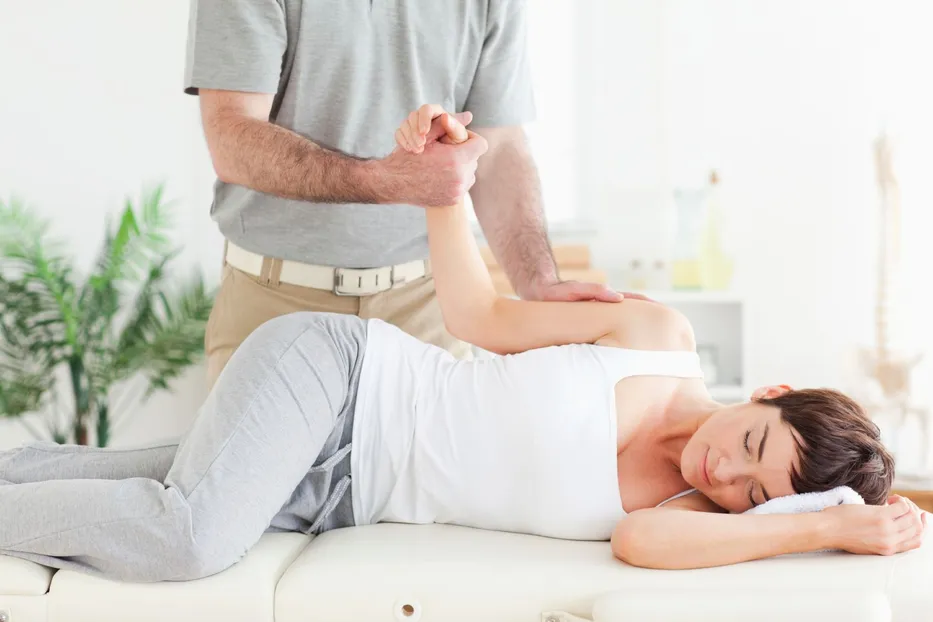
- Chiropractic adjustments and gentle mobilization where appropriate
- Soft tissue therapy for the surrounding musculature
- Position and movement strategies that reduce symptom provocation
- Individualized rehabilitation and home exercise guidance
- Guidance on lifting, sitting, and workstation setup
Seek Medical Care Promptly If
Certain symptoms are not appropriate for conservative care and need urgent medical evaluation: loss of bowel or bladder control, numbness in the groin or inner thighs, or rapidly worsening weakness in an arm or leg.
What to Expect
We'll walk through what the exam showed, what we recommend, and what alternatives exist. Care is reassessed as we go and adjusted based on your response. Individual results vary, and surgery or medical management is the better path for some patients.
Frequently Asked Questions
Can chiropractic care help a bulging or herniated disc?+
Is degenerative disc disease serious?+
Do I need an MRI before treatment?+
Will an adjustment make my disc worse?+
Related Care
Ready to Get Started?
Schedule an appointment today or give us a call — we're here to help.
Hours & Location
We look forward to hearing from you.